Nintendo Museum Kyoto Review (2026): Is It Worth Visiting?
Table of Contents
Is Nintendo Museum Kyoto worth visiting? For our family, absolutely. We spent almost five hours inside, and it became one of the biggest highlights of our two-week Japan trip.
Being kids of the 90s, Nintendo Museum was at the very top of our wishlist when we planned our Japan itinerary. But getting tickets looked almost impossible. After losing the ticket lottery, we genuinely thought we’d have to skip it. Luckily, we kept checking for cancelled tickets and eventually secured four for our travel dates.
In this Nintendo Museum Kyoto review, I’ll share what it’s actually like inside, how long you should spend there, what we thought of the interactive games, how the ticket system works and whether it’s worth visiting with kids.
This post contains affiliate links. If you book through them, I may earn a small commission at no extra cost to you.
Getting Nintendo Museum Kyoto Tickets in 2026
Getting tickets was honestly the hardest part of planning our visit.
Nintendo Museum tickets are sold through a lottery system, with applications opening around three months before your visit. You’ll need a free Nintendo Account to apply. If you’re selected, you then have to complete the payment by the deadline.
We actually lost the lottery and thought that was the end of our Nintendo Museum plans.
Luckily, it wasn’t.
After the lottery, tickets that become available because of cancellations or unpaid reservations can be released for first-come, first-served sale. We kept checking the official ticket page and eventually managed to grab four tickets for our travel dates.
So my biggest tip is simple: if you lose the lottery, keep checking.
As of September 2026, Nintendo is already accepting lottery applications for December visits, which gives you a good idea of how far ahead you need to plan.
2026 ticket prices:
Adult (18+): ¥3,300
Youth (12–17): ¥2,200
Child (6–11): ¥1,100
Ages 0–5: Free
One warning: don’t buy Nintendo Museum Kyoto tickets from resale websites. Nintendo says tickets purchased outside its official ticketing website can be invalid and visitors can be refused entry.
Getting There
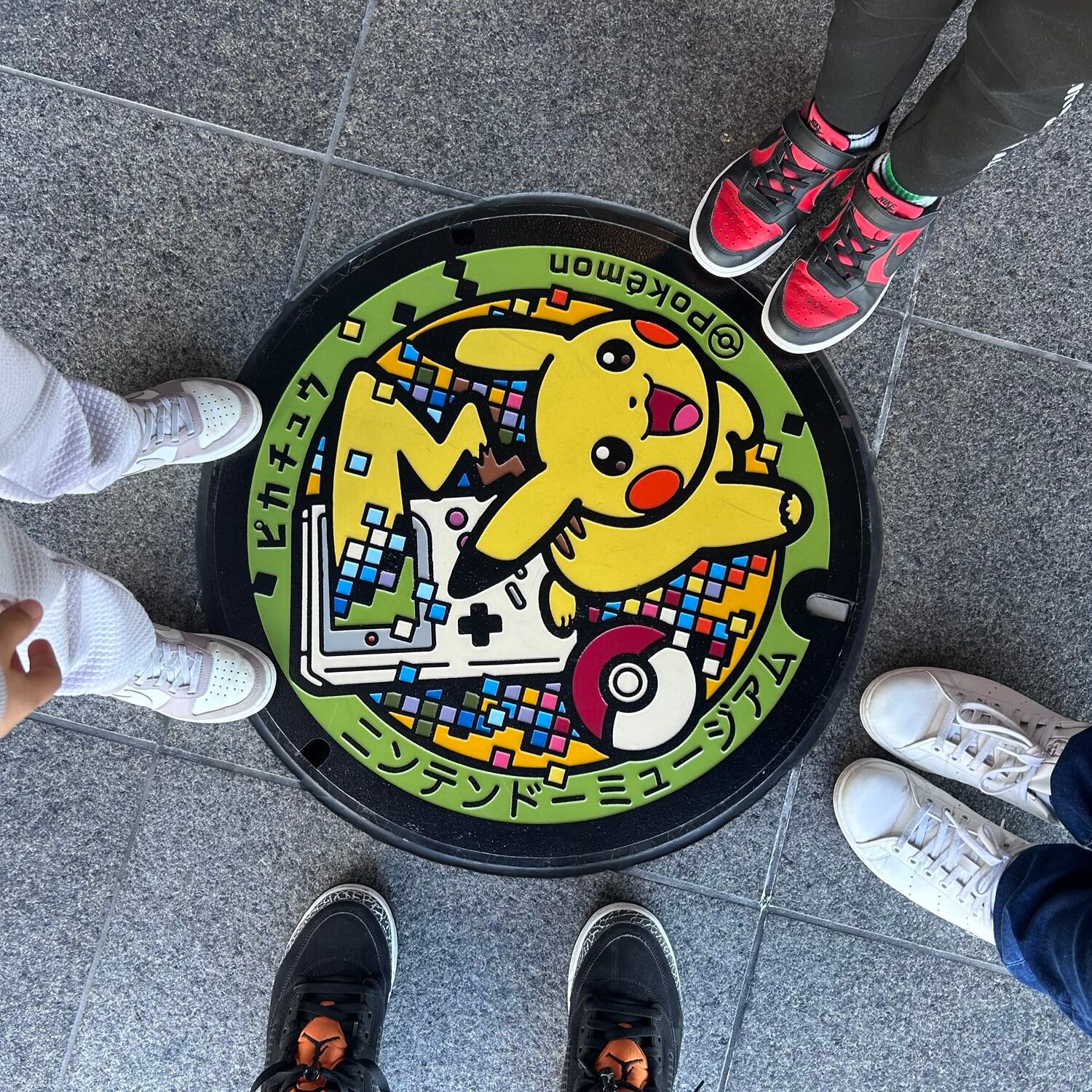
The Nintendo museum Kyoto is located in Uji, around 30–40 minutes from Kyoto Station by train. The walk from the station is easy and well signposted. Because it’s outside central Kyoto, it feels quieter and much less touristy. It was probably one of the more authentic places we walked through.
We actually enjoyed the journey to Uji. Stepping away from Kyoto’s busy tourist areas gave us a chance to see a quieter side of Japan. If you have some extra time, Uji is also famous for its green tea, traditional streets and beautiful Byodo-in Temple, making it easy to turn your museum visit into a full day trip.
What’s New at Nintendo Museum in 2026?
If you’re visiting now, there’s actually more to see than when we visited.
Nintendo is celebrating The Legend of Zelda’s 40th anniversary, and from September 9, 2026 visitors can choose a special Zelda 40th Anniversary design for their Play Ticket. There’s also a limited-time Zelda History Board, which works with the Nintendo Today! app to show scenes and music from games throughout the series.
And there’s more coming.
From November 5, 2026, Nintendo Museum Kyoto will add a Master Sword photo spot and start selling Nintendo Museum Official Book Vol.02. The new book costs ¥1,980, comes in Japanese and English, and — like Vol.01 — is only sold inside Nintendo Museum.
We bought Vol.01 during our visit, and it’s a pretty cool souvenir precisely because you can’t just order it from Nintendo afterwards.
If you’re a Zelda fan visiting from November onwards… yeah, your timing is pretty good.
What to Expect Inside Nintendo Museum Kyoto
The museum sits on Nintendo’s former Uji factory site, immediately giving it a sense of history.
Upstairs you’ll discover Nintendo’s evolution from Hanafuda playing cards to the Switch.
Photography isn’t allowed, something we initially disliked but later appreciated because
everyone was focused on the exhibits rather than their phones.
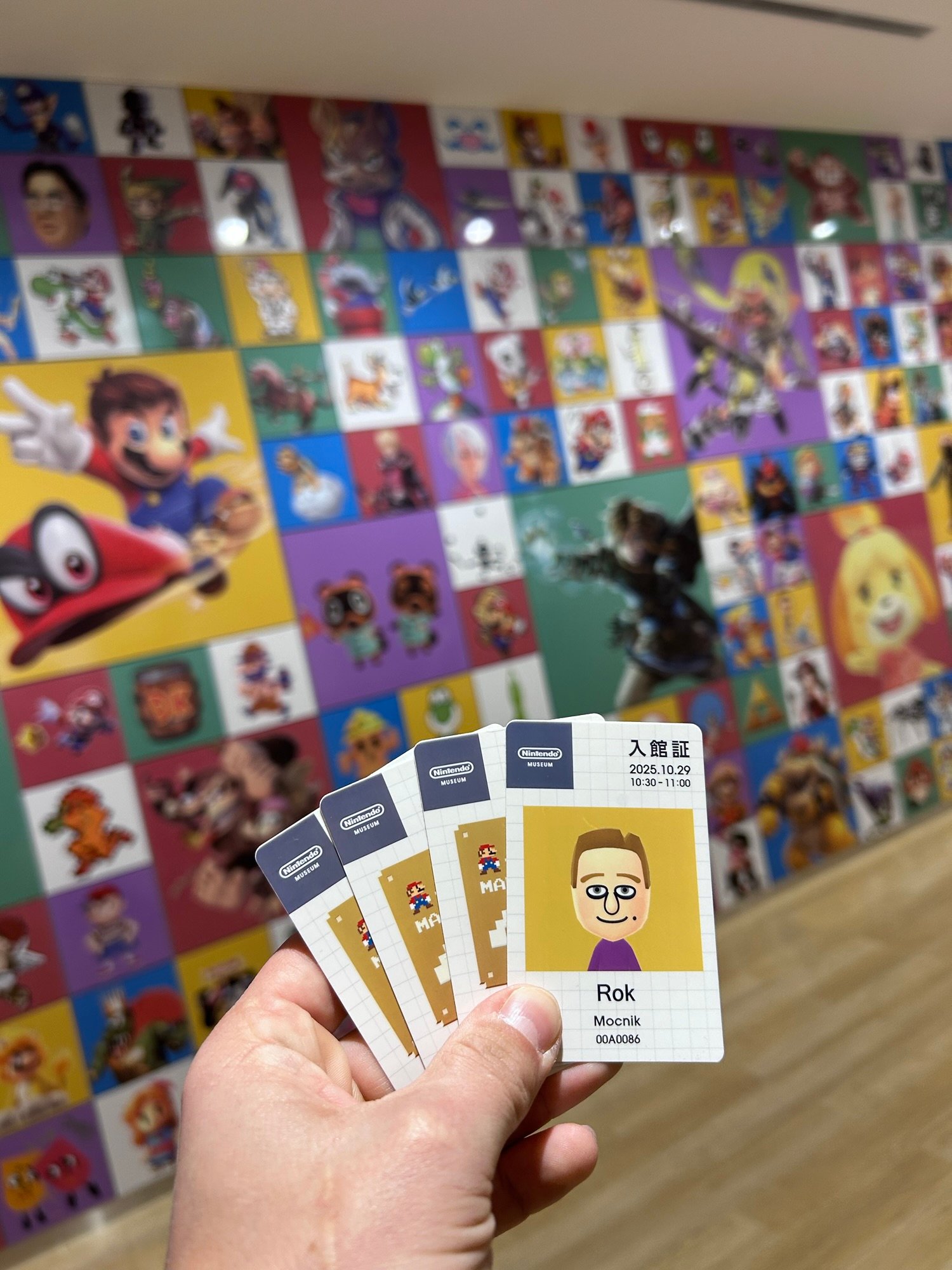
Downstairs is where things become interactive. Every visitor receives a digital card loaded with
virtual coins that can be spent on different attractions. Don’t rush into the first game you
see—walk around first and decide where your coins will be best spent.
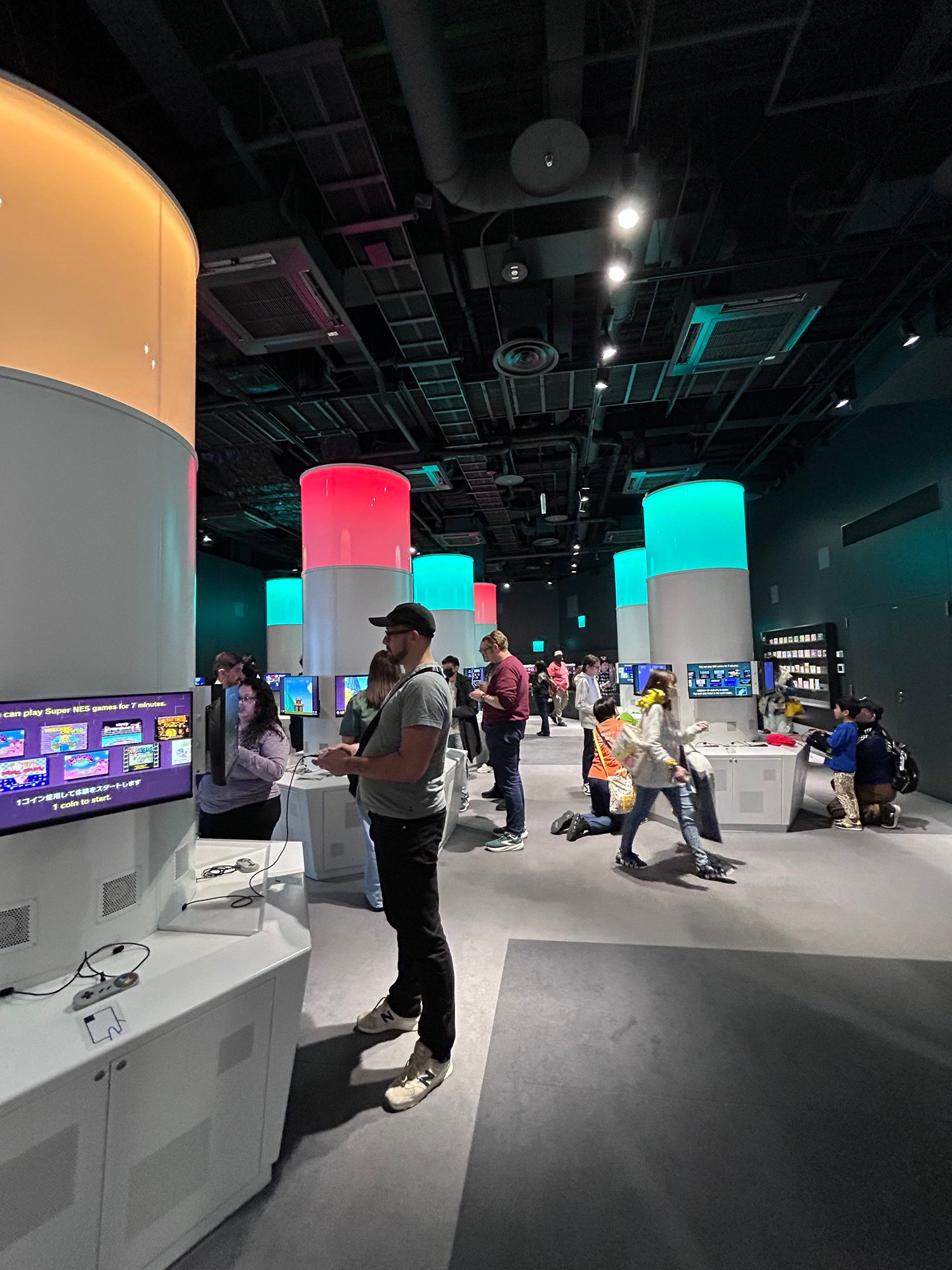
Why? Coins are limited, each visitor gets 10 coins and once you use them up, that’s it, no more games. Game prices also vary from 3 coins for the “coolest” ones, to 1 coin for normal nintendo console games.
One thing many people don’t realise is that the museum isn’t trying to overwhelm visitors with technology or flashy effects. Instead, it tells Nintendo’s story in a simple, engaging way that makes you appreciate just how much the company has evolved over the decades. Even if you didn’t grow up playing every Nintendo console, it’s fascinating to see how many iconic products and ideas originated from one company.
We also liked the pace of the visit. You can move through the exhibition at your own speed without feeling rushed. Some visitors spend most of their time reading the displays, while others head straight for the interactive games. The museum works well either way, which is one of the reasons it feels suitable for such a wide range of ages.
How Long Do You Need at Nintendo Museum Kyoto?
We spent almost five hours at Nintendo Museum Kyoto, and I’d recommend allowing around 4–5 hours if you want to experience it without rushing.
How long you need will depend on how much time you spend looking through the historical exhibits and waiting for the interactive games. We took our time, played several games, explored the displays, visited the gift shop and had lunch at Hatena Burger.
You could probably see the museum faster, but I wouldn’t plan it as a quick one- or two-hour stop. If Nintendo is one of the main reasons you’re visiting Uji, give yourself at least half a day.
Planning your Kyoto stay?
We used Kyoto as our base while exploring the area, which made visiting the Nintendo Museum easy.
If you’re still choosing where to stay, you can compare family-friendly hotels in Kyoto here.
Our Favourite Parts
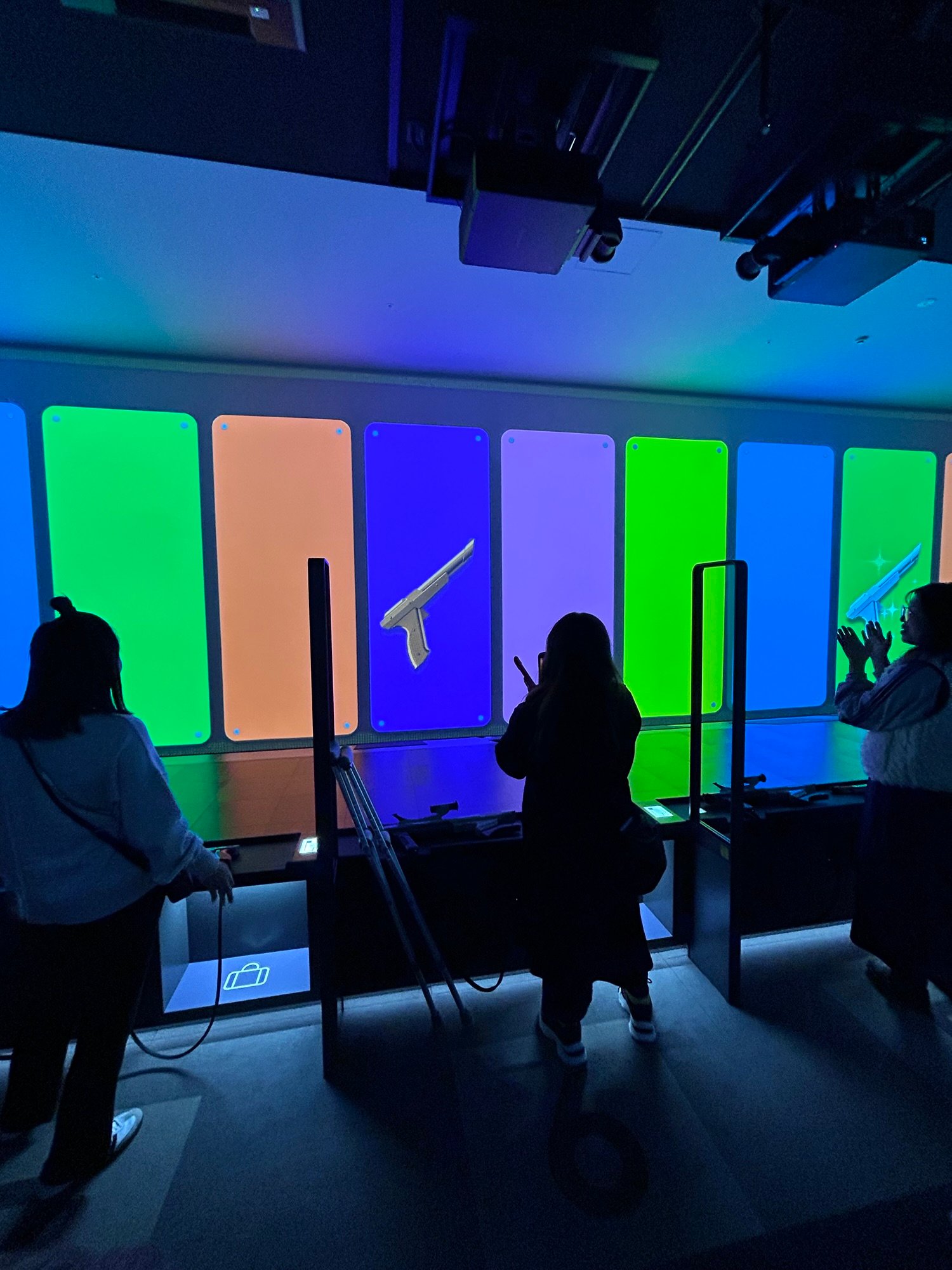
Our favourite attraction was the shooting game. It was simple, competitive and had the whole
family laughing. We also loved trying classic Nintendo consoles together. Watching our children
discover games we grew up with was a genuinely special experience.
One thing we didn’t expect was how balanced the museum feels. It isn’t just a collection of old consoles behind glass. Almost every area encourages you to interact, compete or discover something new. Even family members who aren’t huge Nintendo fans found themselves smiling, joining in and comparing scores.
We also appreciated that the museum never felt overcrowded despite being fully booked. Because visitors spread out across different attractions and interactive stations, there was rarely a moment when we felt rushed. That made the whole experience much more relaxed than many other popular attractions in Japan.
Before leaving we explored the excellent gift shop and then had lunch at Hatena Burger just
outside the museum. The outdoor area is also where you’ll find the best photo opportunities.
Is Nintendo Museum Kyoto Worth It With Kids?
Absolutely. This isn’t a museum where children are expected to quietly read information boards.
Between the interactive games, retro consoles and family-friendly layout, our kids stayed
engaged for hours.
Another thing we loved was that the museum appeals to different generations for completely different reasons. Adults will enjoy the nostalgia of seeing consoles they grew up with, while children simply see a huge interactive playground filled with games and challenges. It creates those rare moments where parents and kids are equally excited about the same activity.
If your children already enjoy Mario Kart, Zelda, Pokémon or Animal Crossing, they’ll recognise plenty of familiar characters throughout the museum. At the same time, they’ll also learn that Nintendo existed long before video games, making the visit surprisingly educational without ever feeling like a lesson.
We recommend allowing at least four to five hours so you don’t have to rush.
Nintendo Museum Kyoto Review: Is It Worth It? Our Verdict
Looking back, we’d happily travel to Uji just for the Nintendo museum Kyoto again. It isn’t the biggest attraction in Japan, nor is it the flashiest, but it feels incredibly well designed from start to finish. Every detail seems carefully considered, from the ticket system and interactive exhibits to the gift shop and themed restaurant.
If you’re building a Japan itinerary and only have time for one Nintendo experience, your choice depends on what you’re looking for. Super Nintendo World is all about adrenaline and stepping inside your favourite games. The Nintendo Museum Kyoto is slower, more thoughtful and, in our opinion, offers a more meaningful experience for lifelong Nintendo fans. Together, they complement each other perfectly.
Planning More Theme Parks in Japan?
We also visited Tokyo DisneySea and Universal Studios Japan during our family trip. Both were incredible experiences, but we definitely had a favourite.
Tokyo DisneySea vs Universal Studios Japan: Which Park Is Better?
Frequently Asked Questions
How long should you plan for Nintendo Museum Kyoto?
We spent almost five hours there. I recommend allowing around 4–5 hours, especially if you want to play the interactive games, explore the exhibits and visit the shop without rushing.
Can you take photos inside Nintendo Museum?
Photography is restricted in parts of the exhibition area, while photos are possible in other areas and outside. Check the signs during your visit.
Is Nintendo Museum Kyoto worth visiting with kids?
Yes, especially with school-age children who already know Nintendo characters or games. The interactive areas make it much more engaging than a traditional museum.
Is Hatena Burger worth it?
If you’re hungry after the visit, yes, but more for the experience, food was ok-ish.
Can you get Nintendo Museum tickets after losing the lottery?
Yes. That’s exactly what happened to us. We lost the lottery but later found cancelled tickets by repeatedly checking availability.
Can you buy more coins, to play games?
No. Each visitor receives 10 digital coins to use on the interactive games, so choose which games you want to play before spending them all.
Was this guide useful? Buy TravelDad a coffee. It probably won’t pay for the next family trip, but it might cover an airport coffee.
Continue Planning Your Japan Trip
- How Much Does a 2-Week Trip to Japan Cost? (Family of 4 Breakdown)
- DisneySea vs Universal Studios Japan: Which One Is Better? (Our Honest Experience With Kids)
- Tokyo itinerary with Kids: 3 Perfect Days in Shinjuku, Shibuya & Asakusa
- Japan for First-Time Visitors: An Ultimate Family-Friendly Beginner’s Guide
- 3 Days in Osaka, Japan – Our Honest Family Experience
- Kyoto with Kids: Our Honest 4-Day Kyoto itinerary (2026 Family Guide)
- Getting Around Tokyo With Kids: Trains, Metro & Our Mistakes
Discover more from Rok I TravelDad
Subscribe to get the latest posts sent to your email.
5 Comments