Japan for First-Time Visitors: An Ultimate Family-Friendly Beginner’s Guide
Real travel often starts where you feel a little nervous — and at the same time completely excited. That’s exactly what Japan feels like the first time, especially when you’re traveling with kids.
From the neon chaos of Tokyo to the peaceful temples of Kyoto, from ultra-punctual bullet trains to hot meals from vending machines — Japan can seem overwhelming when you’re planning it for a family.
Two major airports in Tokyo. Multiple train systems. Transport cards with different names. Signs that look like artwork. And that small fear that you’ll feel lost the moment you land — with tired kids and luggage.
We felt the same.
But here’s the truth:
Japan is far more organized, safe, and family-friendly than you expect.
This guide is for first-time visitors traveling as a family who want clarity without information overload. No complicated transport explanations. No 50 different ticket types. Just the essentials — based on our real experience traveling Japan as a family of four.
In this guide you’ll learn:
- Where to fly (Tokyo vs Osaka) when traveling with kids
- How to get from the airport without stress
- How trains and transport cards work (and which ones are worth it)
- Whether the Japan Rail Pass makes sense for families
- What to prepare before you go
- And the small cultural tips that make Japan surprisingly easy with children
If you’re planning your first family trip to Japan, this will save you hours of research — and a few beginner mistakes.
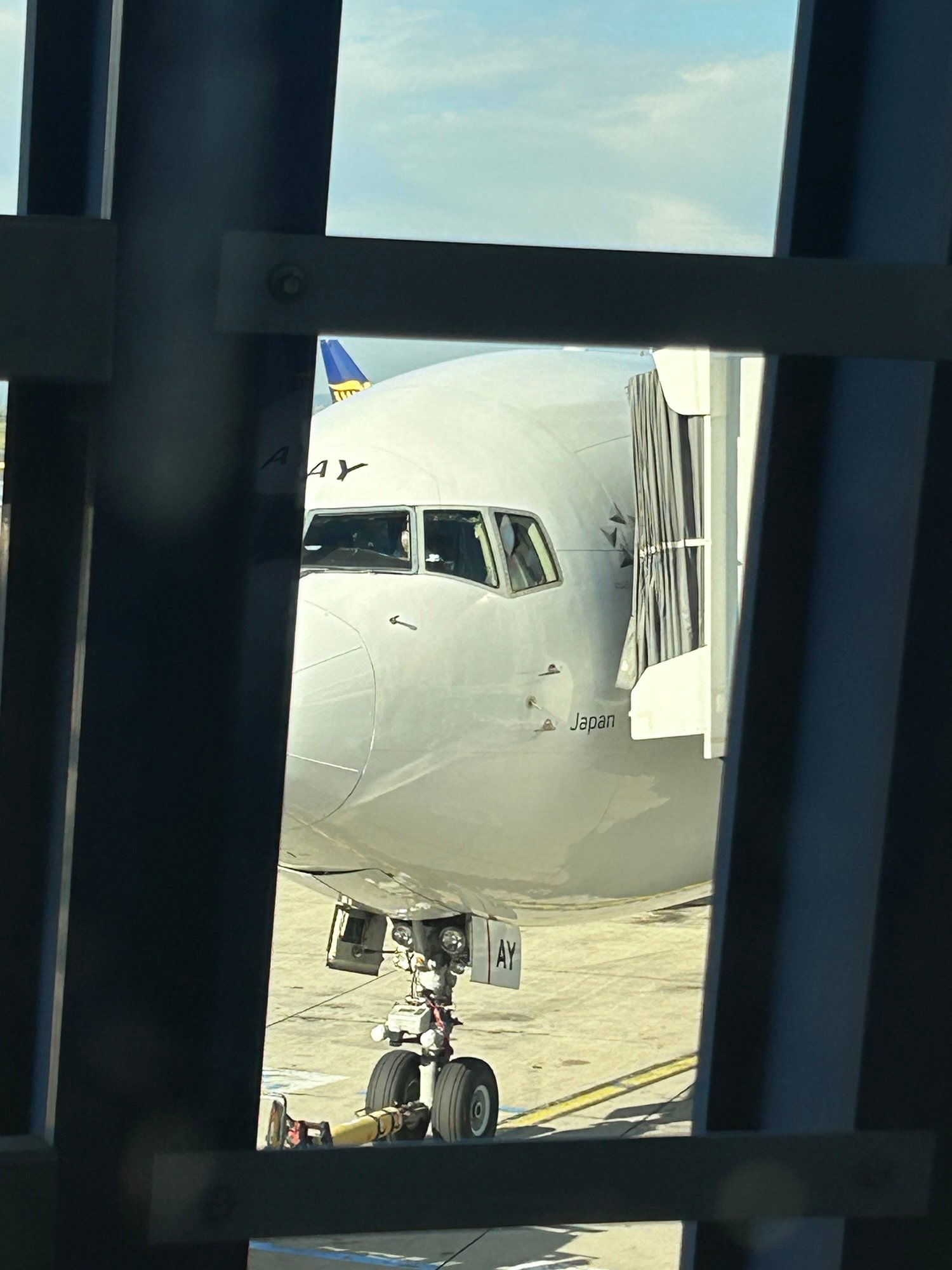
Where it all begins – our flight to Tokyo, Japan.
Flights to Japan: Tokyo or Osaka for Families?
When planning your first trip to Japan with kids, one of the first big questions is:
Where should we fly — Tokyo or Osaka?
Most first-time visitors start in Tokyo – if that’s you, our 3-day Tokyo family itinerary breaks everything down step by step.
Japan has two main international entry points:
- Tokyo (Narita – NRT / Haneda – HND)
- Osaka (Kansai – KIX)
Both work well. The right choice depends on your route.
Tokyo: Best for First-Time Visitors
Tokyo has two airports:
✈ Narita (NRT)
Handles most international long-haul flights About 1 hour from central Tokyo
✈ Haneda (HND)
Closer to the city (25–40 minutes) Often more convenient with kids after a long flight
If you’re starting your trip in Tokyo, flying into Haneda makes life easier — especially with tired children.
Osaka (Kansai – KIX): Smart for Circular Routes
If you plan to visit Kyoto and Osaka as well, consider a multi-city (open-jaw) ticket:
Example route we did:
Tokyo → Mount Fuji → Kyoto → Osaka
Fly into Tokyo
Fly home from Osaka
This avoids backtracking and saves time on trains — which matters when traveling with kids.
Open-jaw tickets are often priced similarly to return flights, so it’s always worth checking.
Our Family Tip
If this is your first time in Japan:
👉 Start in Tokyo
👉 End in Osaka
It creates a smooth, logical route and keeps travel days shorter toward the end of your trip — when kids are more tired.
Getting from the Airport to the City (Without Stress)
After a long-haul flight with kids, the last thing you want is confusion at the airport.
Good news:
Japan’s airport transport is incredibly organized — even if it looks complicated at first.
Here’s how to handle it smoothly.
Arriving in Tokyo
From Narita (NRT) to Central Tokyo (~1 hour)
You have three main options:
🚆 Narita Express (N’EX – JR Train)
Direct to major stations (Tokyo, Shinjuku, Shibuya) Comfortable Reserved seating More expensive
🚆 Keisei Skyliner
Very fast Good for Ueno area Slightly cheaper than N’EX
🚌 Airport Bus
Slightly slower Often cheaper Less stressful with kids + luggage
👉 We chose the bus.
It was cheaper and only about 15 minutes longer than the train. After a long flight, not dragging luggage through big stations felt like the better option.
Important tip:
At Narita, the first ticket counter you see may not be the cheapest. Walk a bit further — prices can vary.
From Haneda (HND) to Central Tokyo (25–40 minutes)
Much easier and closer.
Options:
Tokyo Monorail Keikyu Line
Both are simple and fast.
If traveling with children, Haneda is noticeably more convenient.
Arriving in Osaka (Kansai – KIX)
From Kansai Airport:
🚆 Haruka Limited Express
Direct to Kyoto or Osaka 50–75 minutes Included if you have a JR Pass
Very straightforward and comfortable.
Family Tip: What Makes It Easy
- Clear signage in English
- Staff are extremely helpful
- Stations are safe and organized
- Google Maps works perfectly in Japan
Even with kids, it’s manageable — just avoid rushing and give yourself buffer time.
Bullet Train & Japan Rail Pass: Is It Worth It for Families?
Japan’s bullet train — the Shinkansen — is one of the highlights of any trip. Fast, quiet, perfectly on time, and surprisingly comfortable.
But before you buy a Japan Rail Pass, stop.
It’s not automatically worth it.
What Is the Japan Rail Pass?
The Japan Rail Pass (JR Pass) allows unlimited travel on most JR trains — including many Shinkansen lines — for a fixed number of days (7, 14, or 21).
It sounds simple.
But the math matters.
When the JR Pass Makes Sense
The JR Pass is usually worth it if:
- You travel long distances multiple times
- Example: Tokyo → Kyoto → Hiroshima → Osaka
- You use trains frequently within a short period
For fast-paced itineraries, it can save money.
When It’s NOT Worth It
If your route is:
Tokyo → Mount Fuji → Kyoto → Osaka
And you’re staying several days in each place, individual tickets may be cheaper.
That was our case.
We calculated the full cost and realized buying separate Shinkansen tickets made more sense than buying the JR Pass for the whole family.
With kids, flexibility sometimes matters more than unlimited rides.
Family Tip: Calculate Before Buying
Before purchasing a JR Pass:
- Write down all long-distance routes.
- Check ticket prices individually (Google Maps shows accurate train prices).
- Compare total cost vs JR Pass price.
Do not buy the pass just because everyone online says it’s essential.
What About Seat Reservations With Kids?
You can reserve seats on Shinkansen trains — highly recommended when traveling as a family.
Trains are punctual and organized, so boarding is stress-free.
Kids usually find the bullet train exciting rather than exhausting.
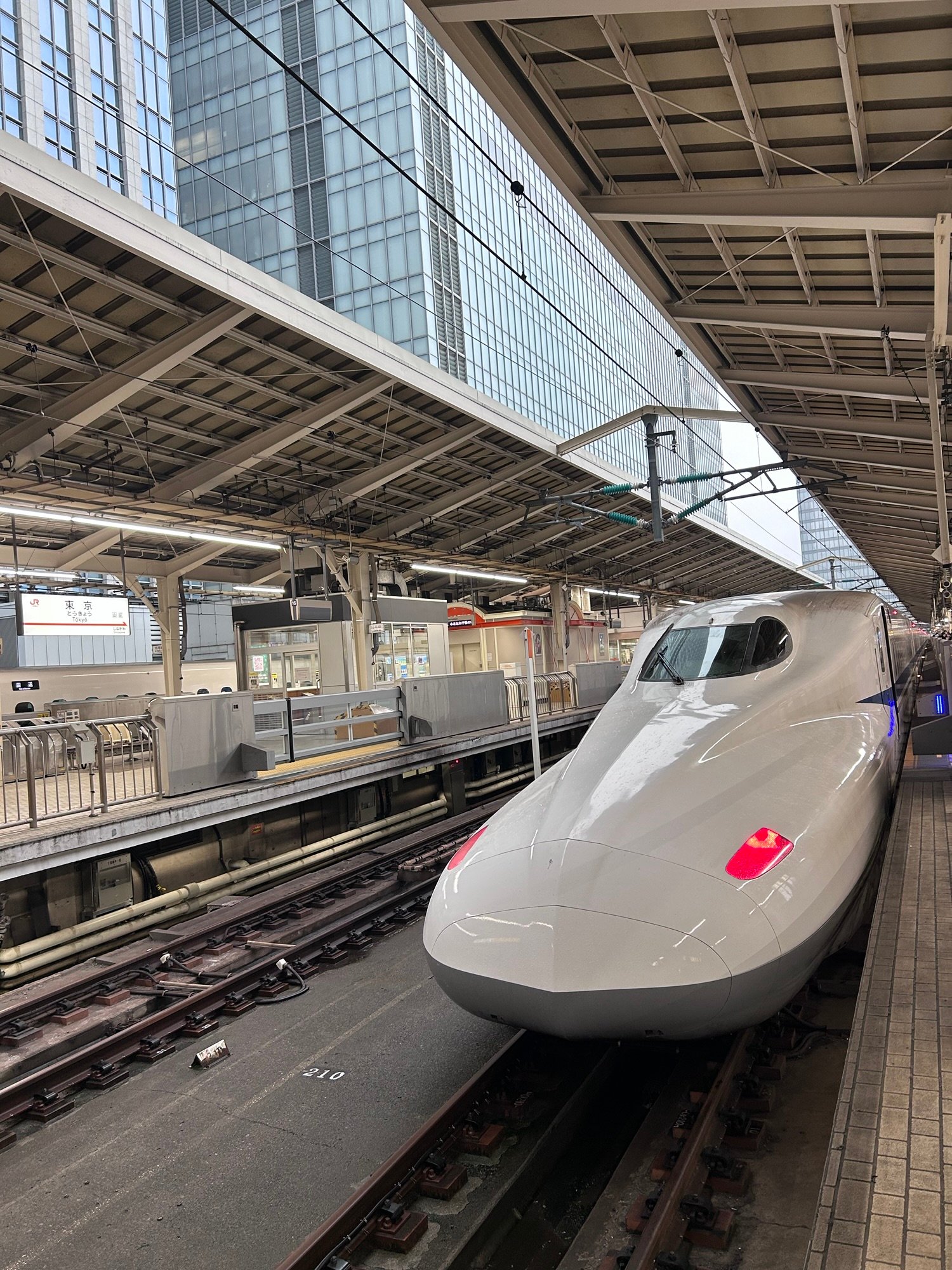
The Shinkansen (Japanese bullet train) – the fastest and easiest way to travel between Tokyo, Kyoto and Osaka.
Public Transport in Japan: Suica, Pasmo & ICOCA (Explained Simply)
When you start researching Japan transport, you’ll see a lot of unfamiliar names:
Suica.
Pasmo.
ICOCA.
It sounds complicated.
It isn’t.
What Are These Cards?
Suica, Pasmo and ICOCA are rechargeable transport cards.
Think of them like a prepaid metro card — or like an Oyster card in London.
You:
- Add money to the card
- Tap in and out
- The system deducts the correct amount
No need to buy tickets for every ride.
Do You Need All Three?
No.
They all work the same way.
The only difference is where you buy them:
- Suica / Pasmo → Mainly Tokyo
- ICOCA → Mainly Osaka / Kyoto
But they are interchangeable across Japan.
If you buy Suica in Tokyo, it works in Osaka too.
Simple.
Is It Worth It for Families?
Absolutely.
With kids, transport cards make things easier:
- No ticket machines every time
- Faster station transitions
- Less stress
Kids usually enjoy tapping through gates.
Can You Use Them for Other Things?
Yes.
You can also use these cards:
- At vending machines
- In convenience stores
- In some restaurants
It works like a small digital wallet.
Family Tip: Don’t Overthink It
Buy one card per adult.
Load enough money for a few days.
Top up when needed.
Japan’s public transport system looks complex on maps — but it’s incredibly efficient in real life.
Google Maps works perfectly for routes, platform numbers, and even train departure times.
Internet, Money & Electricity in Japan (What Families Should Know)
Japan feels futuristic — but some practical things still surprise first-time visitors.
Here’s what you need to know before landing.
Internet: eSIM or Pocket WiFi?
Reliable internet makes everything easier in Japan.
You’ll need it for:
- Google Maps
- Train schedules
- Restaurant searches
- Translation apps
You have two main options:
Option 1: eSIM (Simplest)
- Activate before departure
- No device pickup needed
- Works instantly on arrival
This is what we would choose again.
Less to carry. No battery management. No extra device.
Option 2: Pocket WiFi
- Small portable router
- Connect multiple devices
- Needs charging
Good for large families with many devices — but one more thing to manage.
Money: Cash or Card?
Japan used to be very cash-heavy.
Today, most places accept cards — especially in cities.
But:
Small restaurants
- Local shops
- Temple entrances
Still sometimes require cash.
Family tip:
Withdraw some yen at the airport or use 7-Eleven ATMs (they accept international cards).
Electricity & Plugs
Japan uses Type A plugs (same as the US).
If you’re traveling from Europe, you’ll need an adapter.
Voltage is 100V — most modern chargers (phones, laptops) work fine.
Always check your device label before plugging in.
Family Tip: Preparation Reduces Stress
Before departure:
✔ Activate eSIM or order WiFi
✔ Bring one universal adapter
✔ Have some yen ready
Those small steps make arrival much smoother — especially with tired kids.
Language & Cultural Tips for First-Time Visitors to Japan
One of the biggest worries before visiting Japan is the language barrier.
Will we understand anything?
Will we feel lost?
What if nobody speaks English?
Here’s the honest answer.
Do People Speak English in Japan?
In major cities like Tokyo, Kyoto and Osaka:
- Train stations have English signs
- Ticket machines have English options
- Most tourist areas are easy to navigate
Not everyone speaks fluent English — but people are extremely helpful.
If someone doesn’t understand, they will usually try anyway.
And Google Translate works surprisingly well.
Is Japan Good for Families?
Japan is one of the safest countries we’ve ever visited.
With kids, that matters.
- Streets feel safe even at night
- Public transport is orderly
- People are respectful
- Cleanliness is everywhere
Children are not seen as a disturbance — but they are expected to behave respectfully.
Which leads to the next point.
Public Behavior Expectations
Japan is calm.
On trains:
- People speak quietly
- Phone calls are avoided
- It’s peaceful
With kids, this just means:
Prepare snacks.
Download something offline.
Explain basic manners beforehand.
It’s not strict — just respectful.
One Surprising Thing: Few Trash Cans
Japan is incredibly clean.
But you’ll notice something strange:
There are very few public trash bins.
Plan to carry small trash in your bag until you find one.
It’s a small detail — but useful to know with kids.
The Cultural Shift
Japan feels different.
Not chaotic.
Not loud.
Not rushed.
It’s organized, polite, and structured.
For children, it’s a fascinating contrast to Europe.
And for parents, it’s surprisingly stress-free once you understand the system.
First Impressions: Is Japan Worth It for Families?
When we first landed in Tokyo, everything felt different — but in a good way.
It wasn’t chaotic.
It wasn’t overwhelming.
It was organized.
Trains arrived exactly on time.
People moved calmly.
Cities were busy, but not stressful.
With kids, that balance matters.
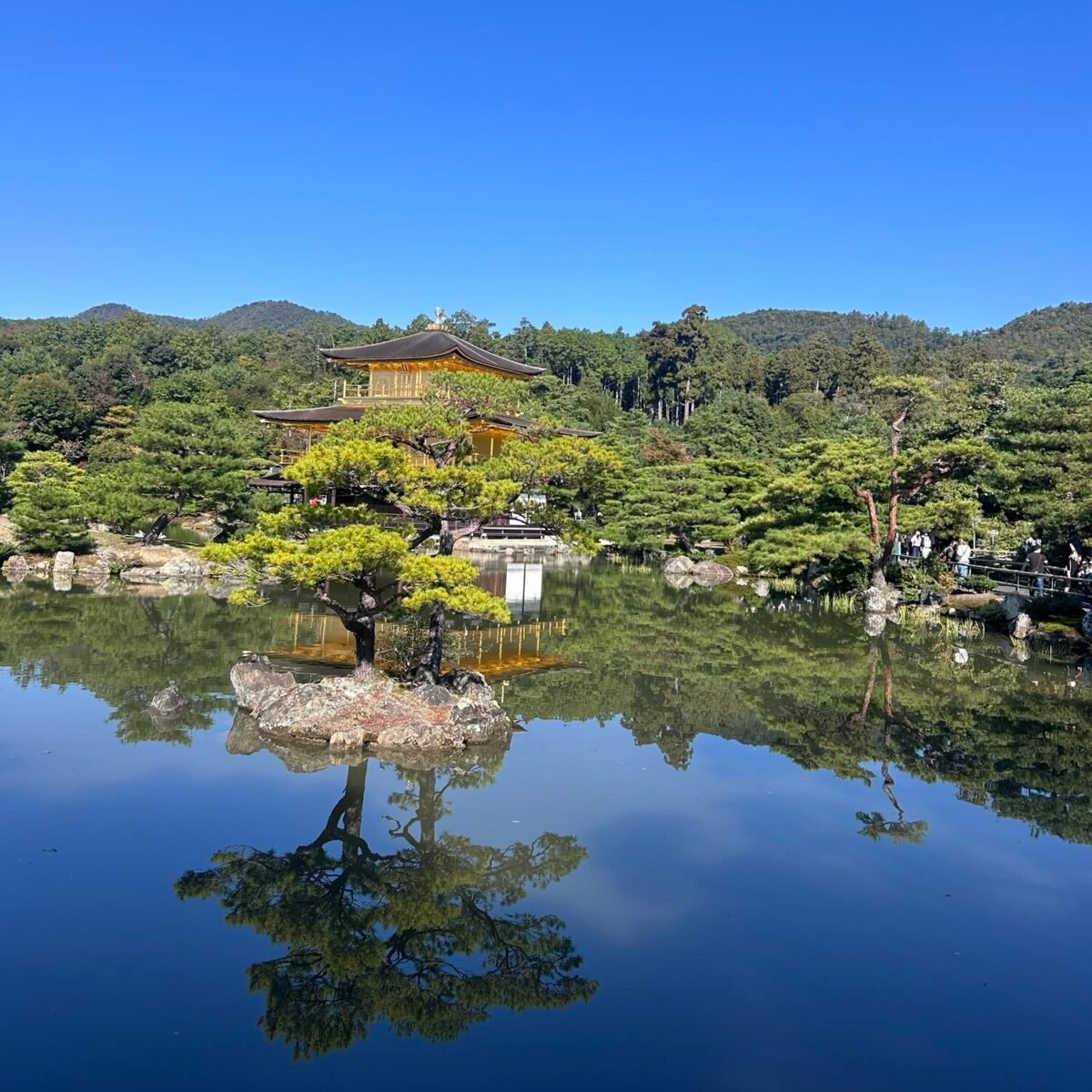
What Surprised Us Most
Japan felt easier than expected.
Yes, the language looks unfamiliar.
Yes, transport maps look complex at first glance.
But once you take the first train ride, everything clicks.
It’s structured. Logical. Predictable.
And that predictability makes family travel smoother.
Is Japan Expensive for Families?
That depends on expectations.
Accommodation in big cities can be pricey.
Shinkansen tickets are not cheap.
But food? Surprisingly affordable.
Public transport? Efficient and fair.
Attractions? Often well-priced compared to Europe.
Japan is not a “budget” destination — but it’s not luxury-only either.
It rewards planning.
Would We Do It Again?
Without hesitation.
Japan is one of those destinations that:
- Feels completely different from Europe
- Is culturally rich
- Is safe and structured
- And surprisingly manageable with kids
If you’re considering Japan as your first big long-haul family trip — don’t let fear stop you.
Prepare smartly.
Plan logically.
And give yourself time to adjust.
Japan will take care of the rest.
Final Thoughts
For first-time visitors, Japan may look complex on paper.
In reality, it’s one of the most organized, family-friendly countries we’ve experienced.
And once you understand flights, trains, transport cards, and basic cultural norms — everything else flows naturally.
Planning more Japan content?
We’ll be sharing detailed Japan guides soon, including:
- Full family cost breakdown
- Tokyo itinerary with kids
- Best theme parks in Japan
Stay tuned.
Learn more family travel guides on our homepage.
2 Comments